Mosaic Skin Studio Brings Skin-Inclusive Aesthetic Education to Google
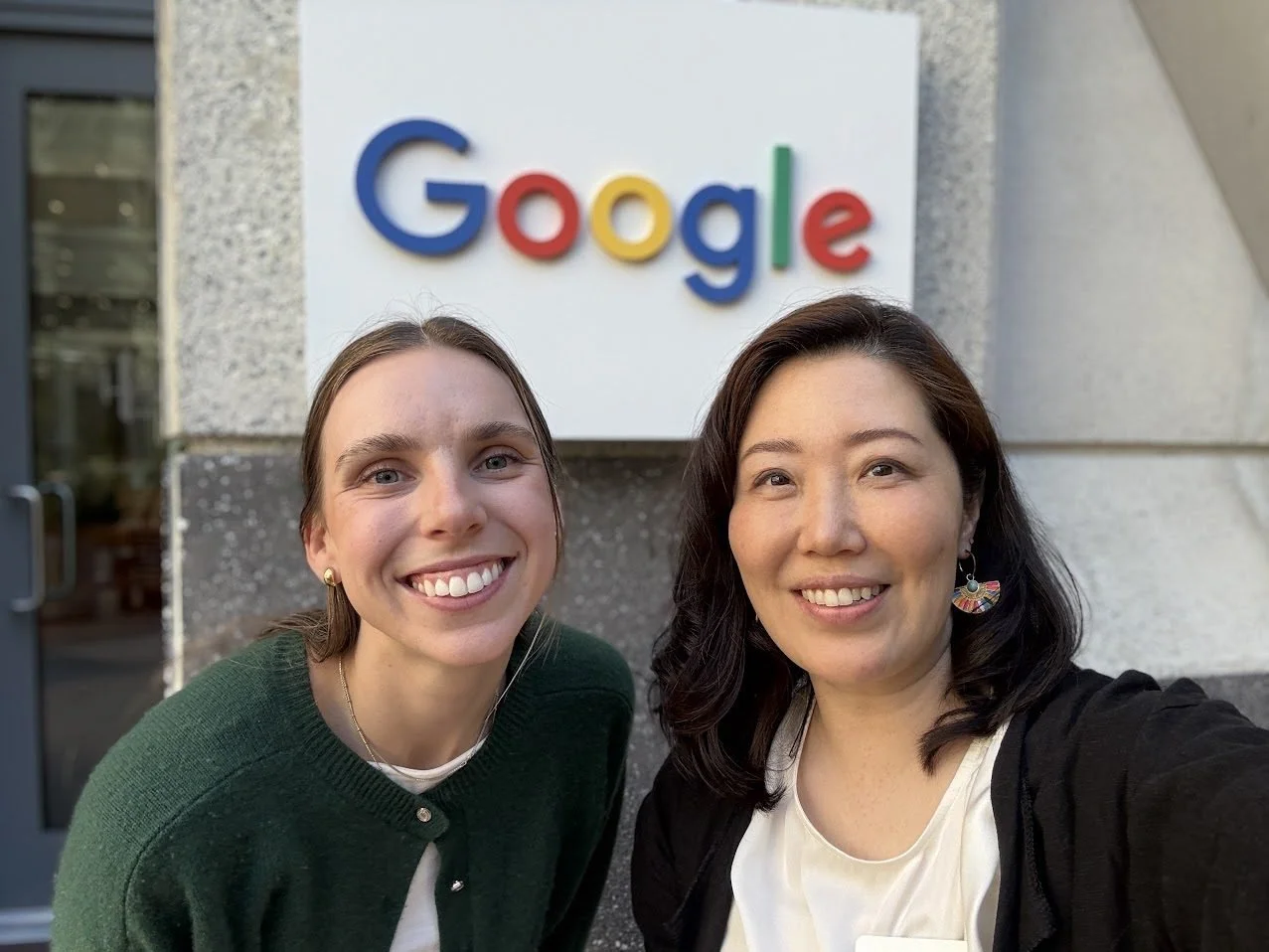
Mosaic Skin Studio presenters Google San Francisco (Annie Song, NP and Sydney Moliken, LE)
Mosaic Skin Studio was recently welcomed by Google for an educational presentation focused on one of the most important conversations in modern aesthetics: how to understand diverse skin and choose treatments responsibly.
Led by Annie Song, NP, and Sydney Moliken, LE, Understanding Diverse Skin & Choosing the Right Treatments examined how skin structure, melanin, ancestry, age, hormones, medical history, and lifestyle can influence the way skin ages, heals, pigments, and responds to treatment.
For Mosaic, the invitation was an opportunity to bring its skin-inclusive philosophy beyond its Oakland and San Francisco studios. It also reinforced Mosaic’s growing position as an educational voice in an industry that is moving away from standardized treatment plans and toward care that considers the full diversity of the skin.
Mosaic’s Skin Experts at Google
The presentation brought together medical and aesthetic perspectives from two members of the Mosaic team:
Annie Song, NP, is a dermatology nurse practitioner whose experience spans medical dermatology, aesthetic dermatology, oncology, primary care, and urgent care. Her work includes caring for diverse skin types across all ages, from skin cancer and inflammatory conditions to cosmetic treatments and skincare.
Sydney Moliken, LE, is a licensed esthetician and Mosaic’s office manager. Her background in health, wellness, skincare, and sun protection brings a practical perspective to product selection, daily routines, and helping clients better understand their skin.
They are part of Mosaic Skin Studio’s multidisciplinary team, which brings together a physician, nurse practitioners, licensed estheticians, and patient care professionals. Their collective expertise spans medical and aesthetic dermatology, facial anatomy, injectables, laser and skin rejuvenation treatments.
Meet the complete Mosaic Skin Studio team and learn more about the experience behind our skin-inclusive approach.
A Presentation Designed Around the Full Skin Journey
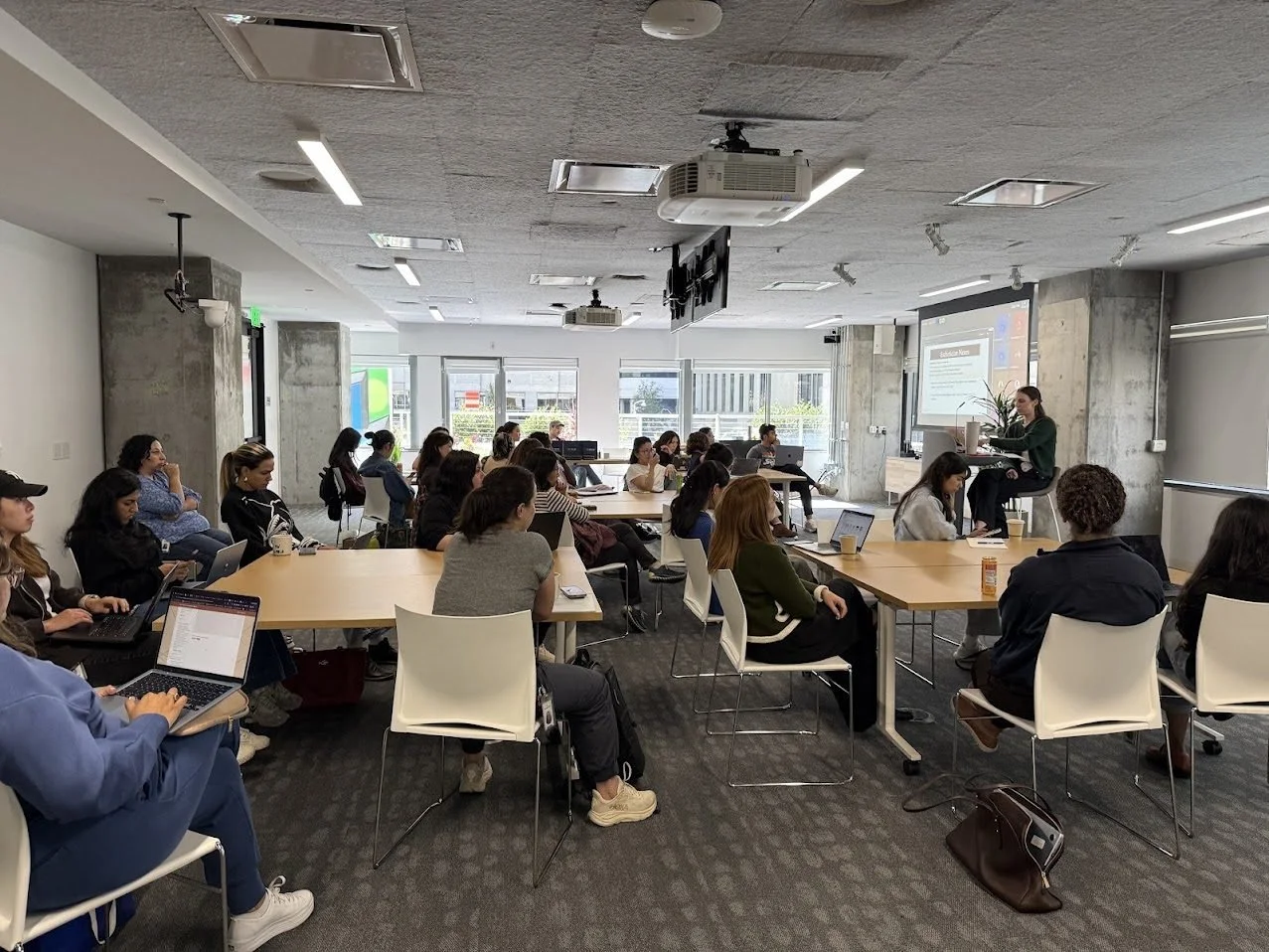
Mosaic Skin Studio – Skin-Inclusive Aesthetic Education in San Francisco
The session was built around a central question: How can someone choose the right products and procedures when not all skin responds in the same way?
The presentation covered:
Skin anatomy, including the epidermis, dermis, hypodermis, SMAS, and facial muscles
Variations in skin, including melanin, skin thickness, collagen density, response to injury, genetics, hormones, climate, stress, and previous treatments
Medical and cosmetic dermatology, from acne, eczema, rosacea, melasma, and skin cancer to wrinkles, pigmentation, scarring, volume loss, and skin laxity
Fitzpatrick Skin Types I through VI and how different phototypes may respond to UV exposure, inflammation, lasers, and other aesthetic procedures
Treatment selection, including neurotoxins, dermal fillers, biostimulators, microneedling, Aerolase Neo Elite, XERF, and hair and scalp treatments
Daily skincare, including antioxidants, retinoids, moisturizers, sunscreen, and common product mistakes
Rather than presenting cosmetic treatments as interchangeable, the session showed why each concern should be connected to the appropriate skin layer, treatment modality, and individual risk profile.
Why Fitzpatrick I Through VI Matters
A major focus of the presentation was the Fitzpatrick Skin Type Scale, which classifies skin into six phototypes based primarily on how it responds to ultraviolet exposure.
Fitzpatrick Types I and II tend to burn more easily, have greater sensitivity to UV damage, and may develop visible sun-related aging earlier. These skin types often have a lower risk of post-treatment darkening and may tolerate a broader range of laser and light treatments.
Fitzpatrick Types III and IV generally have more natural melanin protection but may be more susceptible to sunspots, uneven pigmentation, and post-inflammatory hyperpigmentation. The presentation also explored differences within East Asian and Latin American populations, emphasizing that people with a similar phototype may still have different skin structures, facial anatomy, and treatment needs.
Fitzpatrick Types V and VI tend to have more melanin, denser collagen, and later visible wrinkling. However, these skin types may require additional consideration around melasma, post-inflammatory hyperpigmentation, eczema, and keloid scarring.
The Fitzpatrick scale is not the same as race or ethnicity, and it should never be used as the only basis for treatment selection. It is one part of a more complete assessment that includes ancestry, medical history, hormonal changes, previous reactions, anatomy, lifestyle, and personal goals.
Advancing a More Skin-Inclusive Standard in Aesthetics
Skin-inclusive care does not mean performing the same treatment on every client. It means having the knowledge, technology, and range of treatment options needed to care for someone thoughtfully, regardless of skin color.
At Mosaic, treatment plans can be developed for clients across Fitzpatrick Types I through VI. Depending on the person and concern, this may involve adjusting the treatment technology, energy settings, technique, timing, preparation, and aftercare.
For example, concerns in the epidermis may call for carefully selected peels or superficial laser treatments. Collagen loss, wrinkles, and scarring within the dermis may be addressed with microneedling, Aerolase, or biostimulators. Volume loss may involve dermal fillers, repetitive muscle movement may be treated with neurotoxins, and deeper laxity may be addressed with XERF or surgical consultation.
Not every treatment is appropriate for every person. Mosaic’s distinction is its ability to select from multiple options rather than excluding someone from aesthetic care because of their skin tone.
The presentation concluded with practical reminders for consumers: protect every skin tone with daily sunscreen, avoid chasing trends, give skincare products enough time to work, and consult a qualified professional when unsure about a condition or treatment.
“The best treatment plan is personalized to your goals, lifestyle, anatomy, and risk tolerance.”
Being invited to speak at Google was a proud moment for the Mosaic team. More importantly, it provided a platform to advocate for an aesthetic industry in which every skin color is understood, represented, and treated with appropriate clinical consideration.
Educational Partnerships
Interested in bringing skin-inclusive aesthetic education to your team or organization?
For speaking engagements, panels, workshops, or corporate events, contact hello@mosaicskinstudio.com.